 Call Us:

How Tutoring Supports Academic Progress for Students in Bergen County
02 Feb 2026Academic success rarely comes from memorization alone. For many students, progress depends on how well concepts are explained, reinforced, and revisited over time. This is where tutoring supports academic progress by providing structured guidance that aligns with how students actually learn. In Bergen County, families often seek academic tutoring not just to improve grades, but to help students build consistency, confidence, and problem-solving skills that carry into every subject.
When tutoring supports academic progress, it works alongside classroom instruction rather than replacing it. Students receive targeted explanations, additional practice, and time to ask questions they may hesitate to raise in a larger classroom setting. Academic tutoring in Bergen County frequently focuses on reinforcing foundational skills while addressing current coursework, allowing students to move forward without gaps holding them back.
This article explains how tutoring supports academic progress for Bergen County students by examining instructional structure, personalized learning methods, confidence-building strategies, and long-term academic development.
Personalized Instruction That Strengthens Student Academic Progress

Personalized instruction is one of the most effective ways tutoring supports academic progress for students with different learning needs.
In a tutoring setting, instruction adapts to how a student processes information rather than forcing them into a one-size-fits-all pace. Academic tutoring in Bergen County often begins with identifying where understanding breaks down, whether that involves reading comprehension, math fundamentals, or study habits. Once those gaps are clear, tutors can adjust explanations, examples, and practice activities to match the student’s learning style.
Key benefits of personalized tutoring include:
- Adjusting lesson pacing to reduce frustration or disengagement
- Reinforcing prerequisite skills that support current coursework
- Breaking complex topics into manageable steps
- Providing immediate feedback during practice
When instruction is aligned with individual needs, student academic progress becomes more consistent because learning builds logically instead of skipping essential steps.
Structured Tutoring Sessions That Reinforce Classroom Learning
A clear session structure helps tutoring support academic progress by creating predictability and focus.
Most effective tutoring sessions follow a consistent format. Academic tutoring in Bergen County typically includes reviewing recent classroom material, practicing related skills, and previewing upcoming topics. This structure ensures that tutoring complements school instruction rather than duplicating it.
A typical session structure may include:
- Reviewing recent assignments or assessments
- Clarifying misunderstood concepts
- Guided practice with tutor support
- Independent practice to confirm understanding
- Brief planning for upcoming schoolwork
Because each session connects directly to classroom expectations, tutoring supports academic progress by helping students apply what they learn in school more effectively.
How Academic Progress Is Evaluated During Tutoring
Academic progress during tutoring is evaluated through a combination of observation, performance tracking, and skill application over time. Rather than relying on grades alone, tutors assess how students approach tasks, explain concepts, and apply strategies independently Evaluation often includes reviewing homework accuracy, monitoring response time during problem-solving, and identifying patterns in errors or hesitation. These indicators help tutors determine whether a concept requires further reinforcement or if the student is ready to progress. By revisiting this evaluation process regularly, tutoring support remains responsive as academic demands change. This allows instructional adjustments to be made before small misunderstandings affect long-term learning outcomes.
WhizKidz Tutoring’s Instructional Progress Cycle
Tutoring supports academic progress most effectively when instruction follows a clear and repeatable structure. Rather than relying on isolated explanations, tutors guide students through a three-step learning process designed to reinforce understanding over time. The first step focuses on identifying learning gaps by reviewing recent assignments, classroom feedback, and observed problem-solving behavior. This allows instruction to target specific areas of confusion instead of repeating material the student already understands. The second step reinforces skills through guided practice and structured repetition.
Tutors support students as they apply concepts in different contexts, helping solidify understanding and reduce hesitation. The third step emphasizes independent application, where students demonstrate understanding with reduced support. This stage helps confirm readiness to move forward and ensures learning transfers back into the classroom environment. In practice, this three-step approach is often applied differently depending on local academic expectations.
For students in Bergen County, tutors frequently see learning gaps emerge during transitions between grade levels or periods of increased testing and independent workload. In these cases, tutors may spend more time in the first two steps gap identification and skill reinforcement before shifting toward independent application. This flexibility allows tutoring support to reflect real classroom demands rather than a fixed instructional sequence.This instructional progress cycle reflects how WhizKidz Tutoring structures academic support based on real-world tutoring experience rather than generalized industry models.
Observed Outcomes From WhizKidz Tutoring Sessions
Over the course of ongoing tutoring engagements, WhizKidz Tutoring has observed that students typically demonstrate measurable academic improvement within the first 6–8 weeks of consistent support. Early indicators often include increased assignment completion accuracy, reduced hesitation during problem-solving, and greater independence during practice activities.
Tutors frequently note that once foundational gaps are addressed during the first phase of instruction, students require fewer repeated explanations and show stronger retention when new material is introduced. In Bergen County, this pattern is especially common during grade-level transitions, where students often experience increased workload and testing expectations. These observations guide instructional pacing and help ensure academic progress reflects genuine understanding rather than short-term performance gains.
Why Tutoring Progress Looks Different From Classroom Progress
Academic progress in tutoring often looks different from progress in a traditional classroom setting. In group environments, instruction follows a fixed pace designed to meet the needs of many students at once. Tutoring, by contrast, allows instructional decisions to be made based on individual response and readiness. When a student struggles in class, progress may appear stalled even if effort remains high. In tutoring, that same challenge can be isolated, addressed, and reinforced before new material is introduced. This difference allows learning gaps to be resolved earlier, which helps prevent confusion from compounding over time.By focusing on readiness rather than pace, tutoring supports academic progress in ways that standard classroom workflows cannot always accommodate.
How Instructional Decisions Are Made During Tutoring
Instructional decisions during tutoring are guided by real-time observation rather than preset lesson plans. Tutors evaluate how students respond to explanations, how quickly they apply strategies, and where hesitation or confusion occurs during practice. If a student demonstrates partial understanding, instruction may slow to reinforce prerequisite skills before introducing new material. When understanding is consistent, tutors shift focus toward independent application and transfer back to classroom assignments. This decision-making process allows tutoring to remain flexible and responsive, ensuring academic progress reflects actual understanding rather than surface-level completion.
How Tutoring Supports Academic Progress Through a Learning Reinforcement Cycle
Effective tutoring follows a reinforcement cycle that supports academic progress through repeated evaluation, instruction, and application. Rather than treating learning as a one-time explanation, tutors revisit concepts in stages, allowing understanding to deepen over time.
This cycle often includes identifying learning gaps, reinforcing foundational skills, applying concepts through guided practice, and reviewing outcomes based on classroom performance. Each stage informs the next session, ensuring instruction remains aligned with academic expectations.
For students in Bergen County, this structured reinforcement cycle helps prevent small misunderstandings from becoming ongoing academic barriers.
As concepts are revisited in different contexts, students gain clarity, confidence, and the ability to apply skills independently.
Academic Transitions and Confidence During Grade-Level Changes
Building Confidence as a Driver of Academic Progress

Confidence plays a critical role in how tutoring supports academic progress over time.
Students who struggle academically often begin to associate learning with stress or avoidance. Academic tutoring in Bergen County addresses this by creating a low-pressure environment where mistakes are treated as part of the learning process. Tutors focus on reinforcing effort, progress, and problem-solving strategies rather than simply correcting answers.
As confidence improves, students are more likely to:
- Participate actively in class
- Attempt challenging assignments independently
- Ask clarifying questions
- Persist through difficult material
When confidence increases, student academic progress accelerates because students engage more fully with learning opportunities.
Long-Term Skill Development Through Consistent Tutoring Support

Beyond immediate grades, tutoring supports academic progress by strengthening long-term learning skills.
Academic tutoring in Bergen County often emphasizes skills that extend beyond a single subject. These include organization, time management, note-taking, and test preparation strategies. By reinforcing these habits consistently, tutoring helps students become more independent learners.
Long-term benefits of tutoring include:
- Improved study routines
- Better retention of material
- Increased accountability for assignments
- Greater readiness for advanced coursework
When students develop these skills, academic progress continues even outside tutoring sessions, supporting sustained growth across school years.
How Tutors Measure Academic Progress Over Time
Academic progress is most effective when it can be observed and evaluated over time. In tutoring environments, progress is often measured through assignment completion, assessment performance, and a student’s ability to explain concepts independently.
Tutors track indicators such as accuracy during practice, reduced need for prompting, improved homework consistency, and increased confidence when approaching unfamiliar material. These measurable changes guide instructional adjustments and help keep tutoring aligned with academic expectations.
For students in Bergen County, this ongoing evaluation allows tutoring to adapt as coursework becomes more complex.
Supporting Bergen County Students Across Subjects and Grade Levels
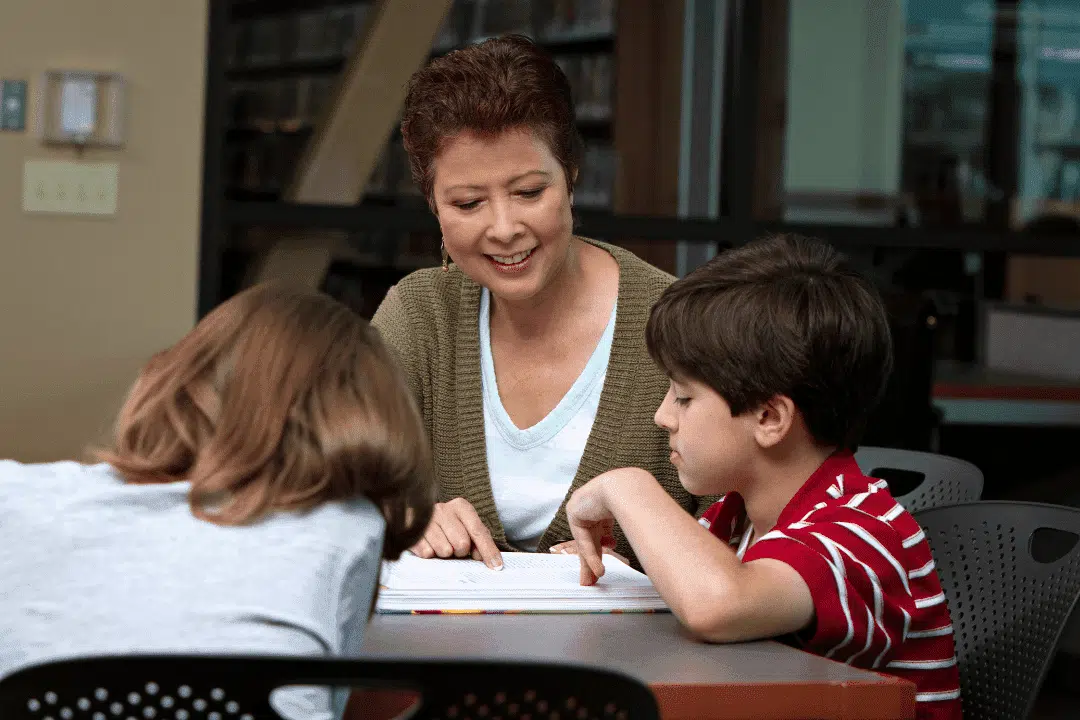
Tutoring supports academic progress at every stage of a student’s educational journey.
In Bergen County, tutoring services commonly support students in elementary, middle, and high school across subjects such as math, reading, writing, and test preparation. While academic needs evolve with grade level, the underlying goal remains the same: ensuring students understand material deeply enough to apply it independently.
By adjusting focus as students advance, academic tutoring in Bergen County helps maintain continuity in learning and prevents small challenges from becoming long-term obstacles.
As students in Bergen County move between grade levels, academic expectations often increase in workload, testing, and independent responsibility.
As students in Bergen County move between grade levels, academic expectations often increase in workload, testing, and independent responsibility.
In Bergen County, tutors often see academic challenges emerge during transitions between grade levels, increased testing expectations, and higher demands for independent work. Tutoring support frequently focuses on helping students adjust to these shifts by reinforcing foundational skills, improving organization, and clarifying expectations tied to classroom instruction. Addressing these patterns early helps prevent short-term difficulties from becoming long-term academic setbacks.
FAQ
What does academic tutoring focus on most?
Academic tutoring focuses on reinforcing classroom learning, strengthening foundational skills, and helping students understand concepts more clearly through guided practice.
How often should tutoring sessions take place?
Frequency depends on the student’s needs, but consistent weekly sessions are commonly used to support steady academic progress.
Does tutoring only help struggling students?
Tutoring supports academic progress for students at many levels, including those seeking enrichment or advanced skill development.
How does tutoring differ from classroom instruction?
Tutoring provides individualized attention, flexible pacing, and targeted explanations that may not be possible in group classroom settings.
Can tutoring improve long-term learning skills?
Yes, tutoring often reinforces study habits, organization, and problem-solving strategies that benefit students beyond a single subject.
About WhizKidz Tutoring and Its Owner
WhizKidz Tutoring LLC is led by founder and CEO Erica Maltz, who brings over 12 years of professional tutoring experience and a background in classroom instruction. The organization provides tailored in-person and online academic support designed to meet students where they are in their learning journey.
Tutoring services focus on individualized and small-group instruction, supporting students across a wide range of academic needs. This includes executive function coaching, test preparation, speech services, handwriting and fine motor skill support, and college counseling. Instruction is structured to reinforce classroom learning while helping students build independent learning strategies.
Operations and regional coordination in Bergen and Rockland County are supported by head consultant Jenn Belson, ensuring consistent instructional standards and communication with families. This experience-driven approach allows WhizKidz Tutoring to support academic progress through ethical, student-centered instruction and ongoing skill development.
Commitment to Educational Integrity
WhizKidz Tutoring maintains strict standards around academic integrity. We teach students how to think, plan, and execute, not how to bypass effort. Tutors guide reasoning, strategies, and skill development while holding students accountable for their work.Our goal is to build competence and confidence that persists beyond tutoring sessions.
Continuing the Academic Progress Conversation
Understanding how tutoring supports academic progress is often the first step for families exploring academic support options. Many parents choose to learn more about how structured tutoring, consistent instruction, and personalized guidance fit into their child’s overall learning plan.
 (914) 214-9066